Tournament regulations and instructions
ARTICLE 1: IMF OPEN WOMEN WORLD CUP
1.1The IMF OPEN Women World Cup™ is a IMF competition embodied in the IMF regulations
1.2These regulations govern the rights, duties and responsibilities of all teams taking part in the IMF WOMEN World Cup 2025™ (“Competition”). These Regulations and all guidelines and circulars issued by IMF are binding for all parties participating and involved in the preparation, organization and hosting of the Competition
1.3Any rights that are directly associated with the Competition that are not granted by these Regulations and/or by the Participation Agreement and/or by the IMF Media and Marketing Regulations for the IMF WOMEN World Cup 2025™ (“the IMF Media and Marketing Regulations”) belong to IMF
1.4The IMF Statutes and all IMF regulations in force shall apply for all parties participating and involved in the preparation, organization and hosting of the Competition. Any reference in these Regulations to the IMF Statutes and regulations refers to the Statutes and regulations valid at the time of application
1.5Other rules and/or decisions by third parties that are directly binding on IMF may apply to the subject matter of these Any such rules and/or decisions implemented by IMF shall take precedence over these Regulations in the event of any conflict and shall be complied with by all parties participating and involved in the preparation, organization and hosting of the Competition
ARTICLE 2: IMF ORGANIZING BODY
2.1The IMF Council or the relevant committee appointed by the IMF Council is responsible for organizing the Competition in accordance with these Regulations, the IMF Statutes, the IMF Governance Regulations as well as the IMF Media and Marketing Regulations
2.2The IMF Council or the Bureau of the IMF Council, may, if necessary, appoint a sub-committee to deal with unforeseen matters that require an immediate decision. Any decision taken by the Bureau of the IMF Council, or by the sub-committee, shall come into effect immediately but shall be subject to confirmation by the IMF
2.3The IMF Council or the relevant committee shall deal with any aspect of the Competition that is not the responsibility of any other body under the terms of these Regulations, the IMF Statutes, the IMF Governance Regulations or the IMF Media and Marketing
2.4The decisions taken by the IMF Council or the relevant committee and/or its sub-committee in relation to the Competition may be appealed, pursuant to the IMF
2.5IMF bears overall responsibility for organizing, hosting and staging the
ARTICLE 3: RESPONSIBILITIES OF PARTICIPATING TEAMS
3.1By submitting the Participation Agreement, each participating team automatically undertakes to comply at all times with (and shall ensure that every player, coach, manager, official, media officer, representative, guest and any other person carrying out duties on behalf of the participating team (each a “Delegation Member”) complies with these Regulations and the IMF Media and Marketing Regulations, the Laws of the Game, the IMF Statutes and other IMF regulations, the IMF Disciplinary Code, the IMF Code of Ethics and the IMF Equipment Regulations
In addition, every Delegation Member shall
a)respect the spirit of fair play and non-violence and the authority of the match officials
b)behave accordingly
3.2By signing the Participation Agreement, each participating team automatically undertakes to
a)observe and comply with and ensure that their Delegation Members also observe and comply with these Regulations and the principles of fair play
b)observe and comply with all applicable laws
c)observe and comply with all reasonable instructions and decisions taken by the bodies and officials of IMF in accordance with the terms of these Regulations
d)field their strongest team throughout the Competition
e)accept all of the arrangements relating to the Competition made by IMF
f)accept, to the extent detailed in the IMF Media and Marketing Regulations, the use by IMF and/or the issue of a sub-licence by IMF to third parties, as well as the recording and broadcast of the images, names and records of all Delegation Members that may appear in connection with the Competition
g)ensure the provision of adequate insurance to cover their Delegation Members and any other persons carrying out duties on their behalf against all risks, including but not limited to injury, accident, disease and travel in consideration of the relevant IMF rules or regulations
3.3In addition, each participating team, upon signing the Participation Agreement, shall be responsible for
a)the conduct of its Delegation Members
B)paying for incidental costs and expenses incurred by its Delegation Members and any other persons carrying out duties on its behalf during the course of their stay in the host country
c)paying for any costs of extending the stay, before or after the Competition, of any Delegation Member or any other persons carrying out duties on its behalf
e)applying, with the assistance of IMF, for visas and submitting the required documents in good time accordance with the relevant procedures
f)attending all media conferences and other media activities organised by IMF in accordance with the IMF Media and Marketing Regulations, as well as with any other IMF circular letters, guidelines, directives and/or decisions
3.4All participating teams shall confirm their participation in the Competition by submitting the Participation Agreement and any other required documentation as communicated by IMF via the corresponding circular(s), duly signed by the deadline(s) set by The timely submission to IMF of any such documents is of the essence. All participating teams shall provide IMF with all information and/or documentation reasonably requested within the stipulated deadlines
3.5All participating teams undertake to ensure that their players and officials attend and participate in all official activities and events including, without limitation, any Team Arrival Meeting, Match Coordination Meeting, press conference and other media and marketing activities in accordance with the IMF Media and Marketing
3.6All participating teams shall indemnify, defend and hold IMF, , and all of their officers, directors, employees, representatives, agents, and all other auxiliary persons free and harmless against any and all liabilities, obligations, losses, damages, penalties, claims, actions, fines and expenses (including reasonable legal expenses) of whatsoever kind or nature resulting from, arising out of, or attributable to, participation in the Competition and/or any non-compliance with these Regulations by the participating teams, their Delegation Members, their affiliates and any third parties contracted to the participating teams
ARTICLE 4: WITHDRAWAL, UNPLAYED MATCHES, ABANDONED MATCHES AND REPLACEMENT
4.1All participating teams undertake to play all of their matches until eliminated from the Competition
4.2If any participating team is not admitted to, is excluded from or withdraws from the Competition once the Competition has started, the IMF Disciplinary Committee may impose additional disciplinary measures, taking into account, in particular, the timing of a possible withdrawal, the severity of the rule breach leading to non-admission or exclusion, possible mitigating factors as well as any other relevant circumstances. Disciplinary sanctions may include the expulsion of the participating team concerned from subsequent IMF competitions and/or the replacement of the participating team in question by another team
4.3Any match which is not played or which is abandoned – except in cases of force majeure recognised by IMF – may lead to the imposition of disciplinary measures against the relevant participating teams by the IMF Disciplinary Committee in accordance with the IMF Disciplinary Code
4.4Any participating team that withdraws from the Competition once the Competition has started or whose behavior is liable for a match not being played or being abandoned may be ordered by the IMF Council or the relevant committee to reimburse IMF or any other participating team for any expenses incurred as a result of its In such cases, the team concerned may also be ordered by IMF to pay compensation for any damages incurred by IMF, or any other participating team. The participating team in question will also forfeit any claim to financial remuneration from IMF or the Local IMF Subsidiary
4.5If a participating team withdraws or a match cannot be played or is abandoned as a result of force majeure, IMF shall decide on the matter at its sole discretion and take whatever action is deemed necessary
4.6Further to the above, in the case of a match being abandoned after it has already kicked off, the following principles shall apply
a)The match shall recommence at the minute at which play was interrupted rather than being replayed in full, and with the same The match shall recommence where play was stopped when the match was interrupted (e.g. with a free kick, throw-in, goal kick, corner kick, kick from the penalty mark, etc.). If the match was abandoned while the ball was still in play, it shall restart with a dropped ball from the position of the ball when play was stopped.
b)The match shall recommence with the same players on the pitch and substitutes available as when the match was abandoned
c)No additional substitutes may be added to the list of players on the start list
d)The teams can make only the number of substitutions to which they were still entitled when the match was abandoned
e)Players sent off during the abandoned match cannot be replaced
f)Any disciplinary measures imposed before the match was abandoned will be dealt with in accordance with the IMF Disciplinary code
g)The kick-off time, date and location shall be decided by IMF
4.7If a participating team withdraws and/or is disqualified prior to the end of the group stage, the results of all of its matches will be declared null andvoid
4.8IMF has the right to cancel, reschedule or relocate one or more matches (or the entire Competition) for any reason at its sole discretion, including as a result of force majeure or due to health, safety or security concerns
Disciplinary matters and procedures
ARTICLE 5 : DISCIPLINARY MATTERS
5.1Disciplinary infringements are dealt with in compliance with the IMF Disciplinary Code in force as well as with all relevant circulars and directives, with which the participating teams and Delegation Members undertake to comply
5.2IMF may introduce new disciplinary rules and measures for the duration of the Competition. Such rules shall be communicated to the participating teams before the opening match of the Competition at the latest
5.3Any violations of these Regulations or any other IMF regulations, circulars, guidelines, directives and/or decisions that do not come under the jurisdiction of another IMF body shall be dealt with by the IMF Disciplinary Committee in accordance with the IMF Disciplinary Code
ARTICLE 6 : DISPUTE RESOLUTION
6.1The participating teams and all Delegation Members acknowledge and accept that their sole legal recourse against final decisions of IMF shall be to the Competiton Committe , as provided for in the IMF Statutes, and unless excluded by the IMF Statutes or applicable IMF regulations. Any such arbitration proceedings shall be governed by the Competiton Committe regulations
6.2As provided for in the IMF Statutes, recourse to ordinary courts of law is prohibited unless specifically provided for in the IMF regulations. Recourse to ordinary courts of law for all types of provisional measures is also prohibited
ARTICLE 7 : PROTESTS
7.1For the purpose of these Regulations, protests are objections of any kind related to events or matters that have a direct effect on matches, including but not limited to the state of and markings on the pitch, accessory match equipment, eligibility of players, stadium installations and footballs
7.2Unless otherwise stipulated in this article, protests shall be submitted in writing to the IMF Match Director within two hours of the match in question, as well as via the IMF Legal Portal at IMF.com (cf. art. 18 par. 1 of the IMF Disciplinary Code) within 24 hours of the end of the match,with a fee of 200 US dollars will be refundable if the protest is accepted otherwise they shall be disregarded
7.3Protests regarding the eligibility of players nominated for matches shall be submitted via the IMF Legal Portal at IMF.com (cf. art. 18 par. 1 of the IMF Disciplinary Code) no later than three days before the first match of the Competition. Such protests shall be dealt with by the IMF Disciplinary Committee
7.4Protests regarding the state of the pitch, its surroundings, markings or accessory items (e.g. goals, flagposts or footballs) shall be made in writing to the referee before the start of the match by the head of delegation of the team lodging the protest. If the pitch’s playing surface becomes unplayable during a match, the captain of the protesting team shall immediately lodge a protest with the referee in the presence of the captain of the opposing team. The protests shall be confirmed in writing to the IMF Match Director by the head of delegation of the team no later than two hours after the match
7.5Protests against any incidents that occur during the course of a match shall be made to the referee by the team captain immediately after the disputed incident and before play has resumed, in the presence of the captain of the opposing team. The protest shall be confirmed in writing to the IMF Match Director by the head of delegation of the team no later than two hours after the match
7.6No protests may be made about the referee’s decisions regarding facts connected with play. Such decisions are final and not subject to appeal, unless otherwise stipulated in the IMF Disciplinary Code
7.7If an unfounded or irresponsible protest is lodged, the IMF Disciplinary Committee may impose disciplinary measures against the participating team concerned
7.8If any of the formal conditions of a protest as set out in these Regulations are not met, such protest shall be disregarded by the competent Once the final match of the Competition has ended, any protests described in this article shall be disregarded. Notwithstanding the above, the IMF Disciplinary Committee remains competent to prosecute any disciplinary infringement ex officio, as established in the IMF Disciplinary Code
7.9IMF shall pass decisions on any protests lodged, subject to the exceptions stipulated in these Regulations, the IMF Statutes or any other IMF regulations
ARTICLE 8 : YELLOW AND RED CARDS
8.1The referee has the authority to take disciplinary action from entering the field of play for the pre-match inspection until leaving the field of play after the match ends (including penalties (penalty shoot-out)). If, before entering the field of play at the start of the match, a player or team official commits a sending-off offence, the referee has the authority to prevent the player or team official from taking part in the match (see Laws of the Game, Law 12.3); the referee will report any other misconduct
8.2Single yellow cards and pending suspensions that could not be served during the confederation’s team competition are not carried over to the Competition
8.3Single yellow cards in the Competition will be cancelled after the Group stage
8.4If a player or team members receives two cards during two different matches, they will automatically be suspended from their team’s subsequent match
8.5When a player get a red card and sent off the field his team will play with a lesser player for 5 minutes
8.6If a player or team official is sent off as a result of a direct or an indirect red card, they will automatically be suspended from their team’s subsequent In addition, further sanctions (e.g. additional suspensions, a fine, etc.) may be imposed
8.7In line with article 74 of the IMF Disciplinary Code, and without prejudice to any other sanction that might result therefrom, any match suspension resulting from a player or official being sent off (as a result of a direct or an indirect red card), and any match suspension resulting from several cautions issued to a player or official in different matches of the Competition, will not be carried over to another competition
8.8Further details on rules and on the management of suspensions and expulsions will be confirmed via circular letter
Competition Format
ARTICLE 9: PARTICIPATING TEAMS
9.1Participation Eligibility Clause: A member of the IMF has the right to participate in the Women’s Open World Championship as a national team. In the event that they cannot participate, since it is an open championship, a team from the member country has the right to participate, provided that it is officially represented by a recognized sports body in the country . The IMF Council has approved the number of teams taking part in the Competition at 8, namely the host member association’s representative team and the 7 other teams .
9.2IMF shall form groups for the Competition by seeding and drawing lots whilst taking sporting and geographical factors into consideration, as far as possible. Further details shall be communicated
9.3The decisions of the IMF Council or the relevant committee on the group formation and the duration of the Competition are final. In the event of any withdrawals or exclusions, the IMF Council or the relevant committee may change the groups at its sole discretion
ARTICLE 10 : GROUP AND KNOCKOUT STAGES
10.1Duration of all matches will be (50) minutes , distributed over two halves, each half for (25) minutes
10.2The Competition will be played in a group stage, followed by semi-finals, and the a total of 29 matches will be played, including third-place play-off
10.3The 11 teams taking part in the Competition will be divided into two groups of (6 in group A – 5 in group B)
10.4The IMF Council or the relevant committee will divide the teams into groups by seeding and drawing lots in public at the draw, whilst taking sporting and geographical factors into consideration as far as possible
The teams in the two groups will be designated as follows
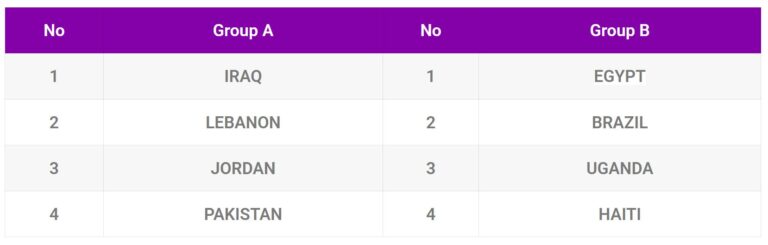
10.5The group matches will be played following the schedule below. Each team shall play each of the other teams in the same group once, according to a league system (three points for a win, one for a draw, none for a defeat)
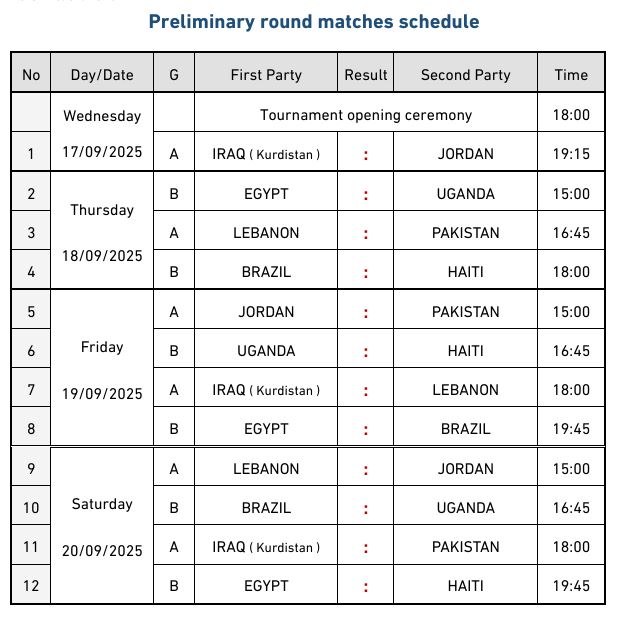
10.6The last two matches in each group shall have simultaneous kick-off times on the same ( if possible )
10.7The two teams finishing first and second in each group qualify for the semi- finals
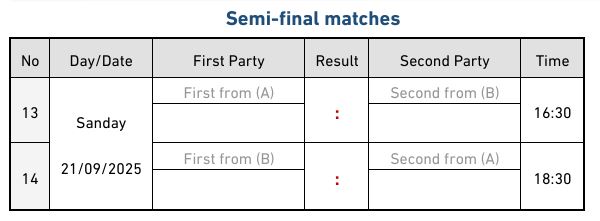
10.8The 4 teams that qualify from the group stage will contest the semi- finals as follows
10.9The losers of the semi-finals will contest the third-place play-off , as follows
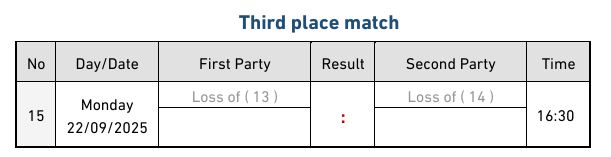
10.10The two winners of the semi-finals will contest the Final
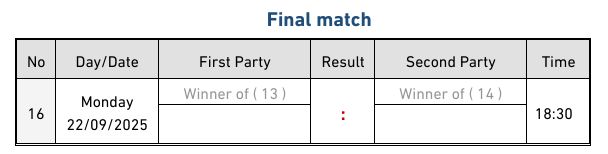
ARTICLE 11: EQUAL POINTS AND QUALIFICATION FOR KNOCKOUT STAGE
11.1 If two or more teams in the same group are equal on points after the completion of the group stage, the following criteria, in the order below, shall be applied to determine the ranking
a) Highest in points
b) Goal difference
c) The highest scoring goals
d) The result of direct confrontations
e) The lowest number of cards recorded on the team’s players
f) Draw
ARTICLE 12 : PENALTIES (PENALTY SHOOTOUT)
12.1Before starting the penalty shootout from the penalty mark, except for other considerations (e.g. the position of the field or security and safety… etc) the referee shall draw lots to determine the goal. Which will be selected to execute kicks and which may be changed only for safety reasons or if the goal or field surface becomes unusable
12.2The referee draws the draw again and the team winning the draw decides whether they take the first or second kick
12.3All players and substitutes are allowed to take penalty kicks
12.4Each team shall take three penalty shoot-outs in accordance with the provisions mentioned below
12.5Each team is responsible for choosing the order of the players who will take the kicks, and the referee is not informed of that order
12.6At the end of the match, before or during the execution of kicks, one of the teams has more players than the opposing team, they must reduce the number of their players to the same number of players as the opposing team and the referee must be informed of the names and numbers of each player who has been disqualified
12.7No disqualified player is entitled to participate in the execution of kicks
12.8Before the start of the penalty shootout, the referee must ensure that the same number of eligible players selected by each team is in the opposite half of the field
12.9The penalty kick is completed when the ball stops moving or exits play or the referee stops play due to any foul: the kicker cannot play the ball again
12.10The referee keeps a record of kicks
12.11The matter is subject to the conditions described below, both teams take three kicks and the turns are exchanged between both teams in the implementation of kicks. if before both teams have completed three kicks, one of them has scored more goals than the other team can score, even if that other team completes the three kicks, the kicks are not completed
12.12If, after both teams have completed the three kicks, the score is still tied, the kicks continue to be taken on one, until one team can score one more goal than the other from the same number of kicks taken
12.13Each kick is executed by a different player each time and all eligible players must take the kicks before any player makes a second shot
12.14 The above principle shall apply in relation to any subsequent sequence of kicks but the team maychange the order of the players shot.
12.15Penalty kicks from the penalty mark may not be disrupted or delayed due to a player leaving the field of play, the penalty assigned to this player will be canceled (no goal is scored) if this player does not return on time to take the kick
Competition preparation
ARTICLE 13 : VENUES , DRAW , TOURNAMENT SCHEDULE
13.1IMF Women World Cup 2025 will host by Erbil City Capital of the Kurdistan Region, Iraq
13.2Draw event will take place at Erbil City 15 August 2025 , All teams will be invited (physically or virtually)
13.3Arrival of Teams : 16 Sep 2025
13.4Opening Ceremony & First Match : 17 Sep 2025
13.5Group Stage Matches : 17–20 Sep 2025
13.6Semi-Final Matches : 21 Sep 2025
13.6Final Match & Awards Ceremony : 22 Sep 2025
Stadiums
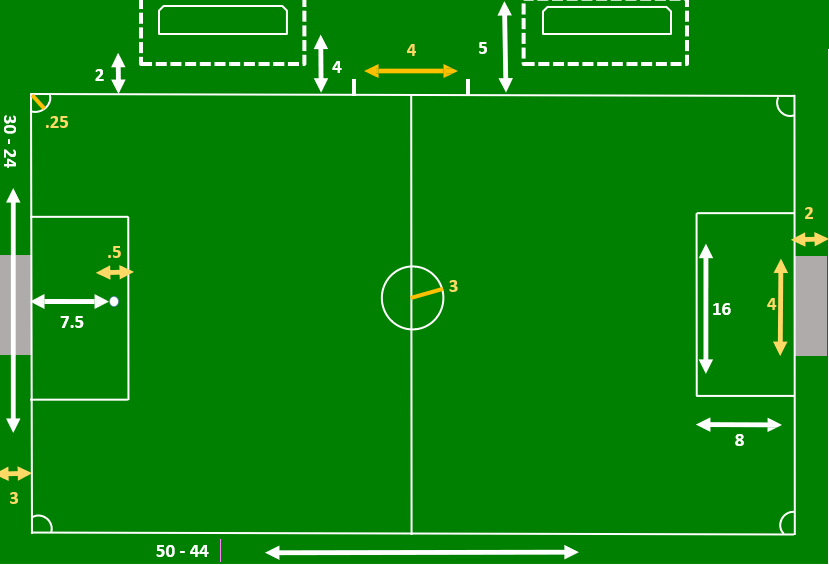
ARTICLE 14 : STADIUMS ( Dimensions )
14.1Matches shall be played as written in article(1) PLAYING FIELD in Mini Football Law
PLAYERS, DELEGATIONS AND REGISTRATION
ARTICLE 15 : PLAYERS, DELEGATIONS AND REGISTRATION
15.1It is allowed to register a maximum of 14 players and not less than 12 players in the roster of the participating team
15.2Team’s staff must not exceed 6 people . (technical + administrative)
15.3Total per delegation: 20 people
15.4Teams and players are registered through the website of the IMF Competitions Committee via the following link: https://imfcom.link/women-world-cup-2025/
15.5Passport copy and personal photo are required for whole delegation
Kit and team equipment
ARTICLE 16 : KIT AND COLOURS
16.1Both teams must wear different colors in order to be separated from each other and from the match officials
16.2Each goalkeeper must wear different colors that distinguish him from the rest of the players and from the match officials
16.3if both goalkeepers wear shirts of the same color and neither has any shirts of other colors, the referee allows the match to begin
16.4Undershirts must carry the same main color as your shirt, and also underpants / compressor must carry the same color as the main pants or the bottom of the pants. Players of the same team must wear similar colors
ARTICLE 17 : HEAD COVERINGS
17.1Caps
17.1.1Goalkeepers on the same Team may wear caps on the field of play that differ in size, colour, and/or other appearance. They must be made by the Manufacturer that makes the Team’s Playing Kit
17.1.2If the field of play, Outfield Players and other Team Delegation members may wear caps (meaning any type of cap, hat, knitted cap, or bonnet) that differ in size, colour, and/or other appearance. If they are not made by the Manufacturer that makes the Team’s Playing Kit, they must not display any Manufacturer Identifiers
17.2Other Permitted Head Coverings
a) The only other head coverings that may be worn by Players on the field of play are those worn for religious reasons, such as hijabs, turbans, or similar items (“Permitted Head Covering”)
b) Players on the same Team may wear Permitted Head Coverings that differ in size and/or other appearance. However, each Permitted Head Covering must
b.1be either the same colour as the Dominant Colour on the Player’s Shirt or it must be black
b.2not feature the Player’s Name or Number or any abbreviation of them
b.3not feature any Team Identifier or Decorative Element
b.4not compromise the safety of the Players on either Team in any way, For example
b.4.1it must not be attached to the Shirt
b.4.2it may not have any form of fastening mechanism around the neck
b.4.3no part(s) of it may extend out from the surface of the head covering


17.3HAIRBANDS, HEADBANDS AND WRISTBANDS
Players on the same Team may wear hairbands, headbands, and/or wristbands that differ in size and/or other appearance. However, they must be either the same colour as a colour on the Player’s Shirt, Shorts or Socks or they must be black or white; and not feature the Player’s Name or Number or any abbreviation of them
17.4UNDERGARMENTS
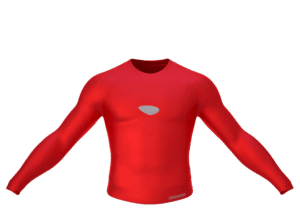
Under their Playing Kit, Players may wear underwear, T-shirts, sports bras, thermal shorts, and/or any sort of cooling apparel (each, an “Undergarment”), provided that the Undergarment
a) is not visible outside or beneath the Playing Kit, or, if it is visible
a.1is of the same Dominant Colour as the item it is underneath; and does not display any Team Identifiers, Manufacturer Identifiers, or Decorative Elements; and does not display any Sponsor Advertising

ARTICLE 18 : SPECIAL EQUIPMENT
18.1Other protective and non-hazardous equipment is allowed, e.g. head protector, face masks, knee protector, arm protector and made of soft, lightweight and padded materials such as goalkeeper hats and sports goggles
ARTICLE 19 : ELECTRONIC COMMUNICATIOS
19.1Players (including substitutes/substituted and dismissed players) are not permitted to wear or use any electronic system or communication equipment, and the use of any kind of electronic communication by team officials is not permitted unless it is directly related to the benefit or safety of the player
ARTICLE 20 : SAFETY
20.1The player must not use equipment or wear anything that poses a danger
20.2All jewelry (chains, rings, bracelets, earrings, leather and rubber bands… etc) are not allowed and must be taken off and also it is not allowed to use adhesive tape to cover these jewelry.
20.3Players must be checked before kick-off and substitutes before entering the field
20.4if the player is wearing or using unauthorized/dangerous equipment or jewelry, the referee shall instruct the player to give the following instructions
a) Remove them and leave the playing field during the next stop of play and if the player is unable or unwilling to comply with the instructions he must be given a cautioning
ARTICLE 21 : COMPULSORY EQUIPMENT (UNIFORMS)
21.1The player’s compulsory equipment consists of the following separate purposes: Sleeved shirt / pants / socks / leg guard / shoes / top shirt
21.2Any adhesive tape or any material worn externally must be the same color as the part of the socks on which it is placed or covered, and must be made of appropriate material to provide reasonable protection, and covered with socks
21.3Goalkeepers may wear tracksuit pants
21.4A player who accidentally loses his shoes or leg guard must replace them as soon as possible and not later than the next stop of play, and if the play kicks the ball and/or scores a goal before doing so, the goal is awarded
21.5Each player must wear a long or short-sleeved shirt with a number printed between 1 and 99 on the back, the printed number must be 20-25 cm and must also be the same number registered on the players’ card in the match
21.6If the player’s shirt is damaged, he must change it with a similar shirt of the same color and the same number recorded on the players’ card in the match
21.7Shoes with metal rivets or blades are prohibited, only flat shoes with flexible or plastic moldings are allowed
ARTICLE 22 :LOGOS,STATEMENTS,IMAGES & ADVERTISMENT
22.1The equipment must not carry any political, religious or personal logos, statements or images
22.2Players must not disclose underwear that bears any logos, statements, political, religious or personal images, or advertisements other than the manufacturer’s logo
22.3Any offence and/or breach of this order, penalties will be imposed by the Competition Organizer or the International Federation on the player and/or the team
Match organization And Refereeing
ARTICLE 23 : START LIST
23.1The team manager or his representative must be on the field 30 minutes before the start of the match, to complete the match card and ensure its validity with the referees and the match observer
23.2When the team is late without any justified excuse, it loses (after the official start of the match) if the team arrives 15 minutes late (and the referee must submit a report to the competent authorities)
ARTICLE 24 : Referee
24.1Each match shall be administered by a referee who has full authority to apply the laws of the game relating to the match.( IMF Law )
24.2Decisions of the Referee
24.2.1Decisions will be made to the best of the referee in accordance with the laws of the game and the spirit of the game and based on the opinion of the referee who has the discretion to take appropriate action within the framework of the laws of the game
24.2.2The referee’s decisions on the facts relating to the play are final, including whether or not the goal is awarded and the result of the match, the decisions of the referee and other referees must always be respected
24.2.3The referee may not change his decision when he realizes that it is incorrect or under the advice of another match referee if play has resumed or the referee blows the whistle at the end of the first half or the second half (including extra time) and has left the field of play or ended the match
24.2.4If the referee is disqualified, play may continue under the supervision of another match referee until the next exit of the ball from play
24.3Powers and Duties
24.3.1The referee shall apply the laws of the game
24.3.2Control and manage of the match in cooperation with other match referees
24.3.3Act as an observer and record the proceedings of the match and submit a report on the match to the competent authorities which includes information on disciplinary measures and any events that occurred before, during or after the match
24.3.4Supervises and/or signals the resumption of play
24.3.5His position on the court must be in accordance with the provisions of “position when the ball is in play” and “position when the ball is out of play”
24.3.6Only the first referee who orders the start of the match and is responsible for the end hour of the match, and he is the only timer for the match
24.4Other referees
24.4.1The second, third, fourth and VAR referees are appointed in the match who assist the referee in controlling the course of the match according to the laws of the game but the final decision is always made by the referee
24.4.2In case of disagreement between the decisions of the referees, the referee shall take precedence over the decision of the second referee
24.4.3Other referees shall work under the supervision of the referee (director), in case of unjustified interference or inappropriate behavior, the referee shall relieve them of their duties and submit a report to the competent authorities
24.5Second Referee
24.5.1The second referee helps the referee to make all decisions regarding errors and irregularities. As well as the necessary disciplinary measures
24.5.2Should report fouls closer to the first referee when he has a better point of view
24.5.3Keep records of timing, goals, errors, etc
24.5.4A report shall be submitted to the concerned authorities on any misconduct or other incidents that occurred outside the field of view of other referees
24.5.5The judgment and the third referee shall be informed about the content of the said report
24.5.6Replaces the first referee in case of injury or illness
24.6Third Referee
24.6.1Is located off the pitch, on the side of the substitution areas and at the top of the midfield
24.6.2The third referee assists the referees during the field inspection, the players and the players’ equipment (including problems that are solved)
24.6.3Keep records of timing, objectives, errors, etc. and verify switching procedures
24.6.4Inspect replaced equipment preparing to participate in the game
24.6.5Control the return of the player to the field after a signal/permission from the referee and check the substitute balls
24.6.6Monitoring the player’s return to the game under the supervision of referees He had to leave the field for any kind of injury or correct his equipment
24.6.7Refers to referees with a clear error in caution or expelling a player, or if violent behavior occurs outside their field of vision. However, the referees decide all the facts about the game
24.6.8Inform the referee of inappropriate behavior to any person present on the pitch or in the technical field
24.6.9Record any other information related to the match and the lists of participating players
24.6.10Replaces the second referee if he is unable to continue to officiate the match
24.7Fourth referee
24.7.1Is located off the field, on the side of the substitution areas facing the midfield
24.7.2Fourth referee assists referees during field inspections, players and players’ equipment (including issues resolved)
24.7.3Keep records of timing, goals, errors, etc
24.7.4Responsible for counting 5 minutes from the player’s expulsion.
24.7.5Inform the third referee when a player can complete his team after expulsion
24.7.6Refers to referees with a clear error in caution or expelling a player, or if violent behavior occurs outside their field of vision. However, the referees decide all the facts about the game
24.7.7Inform the referee of inappropriate behavior of any person present on the pitch or in the technical field
24.7.8Declare the minimum extra time decided by the referee at the end of each playing period (including extra time)
24.7.9Disclosure of the lists of players participating in the match
24.7.10Record any other information relevant to the match and the lists of participating players
24.7.11Replaces the third referee if he is unable to continue officiating the match
24.8Assistant Reserve Referee
The sole task of the reserve assistant referee is to be a substitute for the first assistant referee or the second referee who cannot continue
24.9Video Assistant Referee (VAR)
VAR is a referee who can help the referee make a decision using replays only for a clear and apparent foul or an absent important incident related to a goal that is not a goal, a penalty that is not a penalty, a direct expulsion (not a second caution), false identity when the referee caution or dismisses the wrong player from the offending team
Closing provisions
ARTICLE 25 : SPECIAL CIRCUMSTANCES
IMF is responsible for the operational management of the Competition and is therefore entitled to issue any instructions necessitated by special circumstances that may arise in the host country. These instructions shall form an integral part of these Regulations
ARTICLE 26 : MATTERS NOT PROVIDED FOR
Any matters not provided for in these Regulations and any cases of force majeure shall be decided by IMF. All decisions shall be final and binding and not subject to appeal
ARTICLE 27 : LANGUAGES
In the case of any discrepancy in the interpretation of the English, French or Spanish texts of these Regulations, or any other language versions thereof, the English text shall be authoritative
ARTICLE 28 : COPYRIGHT
The copyright of the match schedule drawn up in accordance with the provisions of these Regulations is the property of IMF
ARTICLE 29 : NO WAIVER
Any waiver by IMF of any breach of these Regulations (including of any document referred to in these Regulations) will not operate as, or be construed to be, a waiver of any other breach of such provision or of any breach of any other provision or a waiver of any right arising out of these Regulations or any other document. Any such waiver shall only be valid if given in writing. Failure by IMF to insist upon strict adherence to any provision of these Regulations, or any document referred to in these Regulations, on one or more occasions will not be considered to be a waiver of, or deprive IMF of the right to subsequently insist upon, strict adherence to that provision or any other provision of these Regulations, or any document referred to in these Regulations
ARTICLE 30 : AMENDMENTS
IMF may amend these Regulations through operation of the IMF Council at any time and at its own discretion and shall publish any such amendment in accordance with the IMF Council procedure
ARTICLE 31 : ENFORCEMENT
These Regulations were approved by the IMF Council and came into force immediately

 English